The 5th session of the United Nations Permanent Forum on People of African Descent (PFPAD5) took place at the Palais des Nations in Geneva, 14-17 April 2026.
Attended by c.700 participants from more than 80 countries, this global gathering brought together nation-state representatives, international law scholars, human rights experts, political scientists, heritage professionals, racial justice activists and other members of civil society to contribute to the Forum’s programme of work focused on expanding rights and advancing justice under the Second International Decade for People of African Descent.
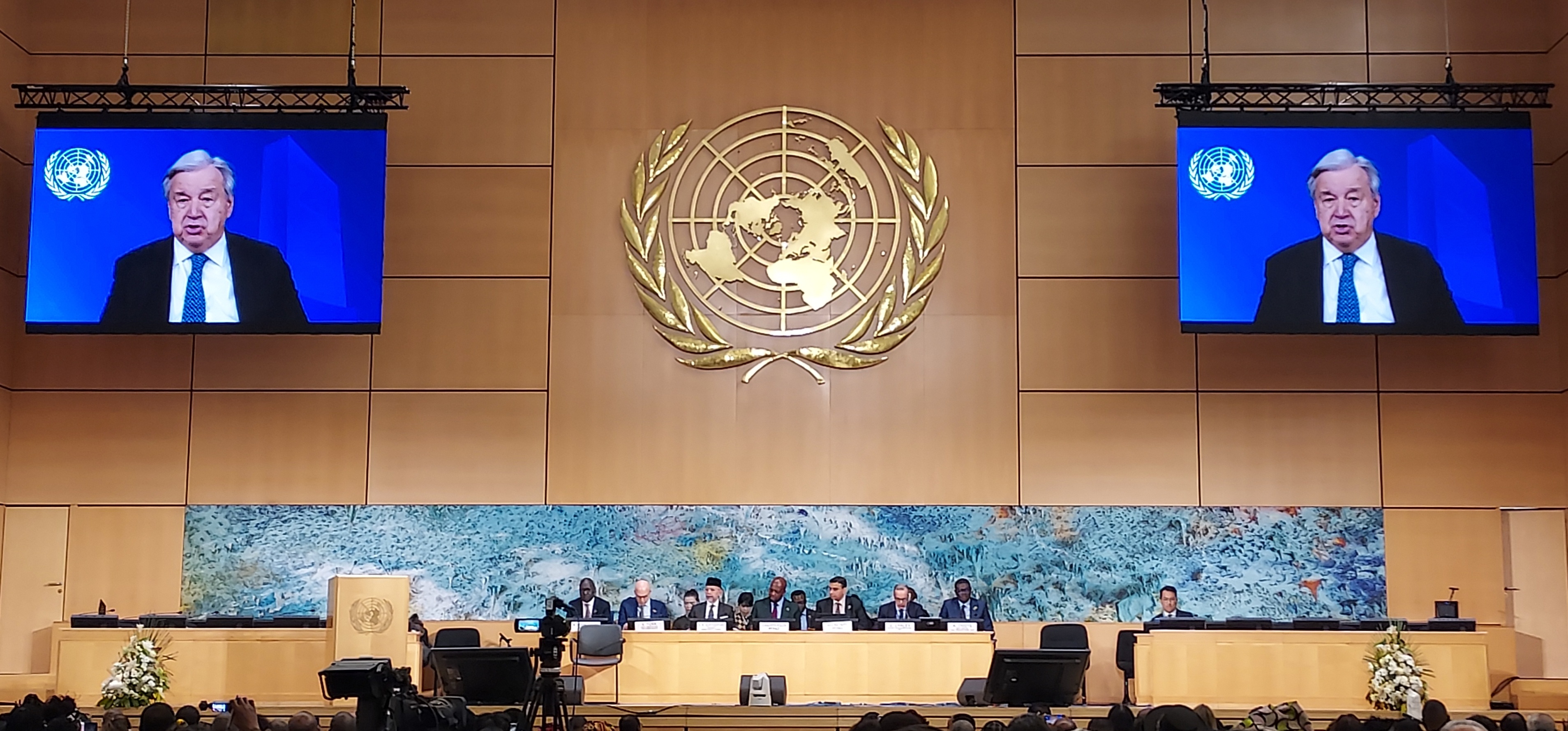
Day one was formally opened by last year’s chair, Kenyan Ambassador Dr Martin Kimani, followed by a welcoming address from the Secretary-General of the United Nations, Antonio Guterres (shown on screen), as well as in-person presentations by Volker Türk (UN High Commissioner for Human Rights) and Mahamoud Ali Youssouf (Chairperson of the African Union Commission).
All the panelists spoke with gravity, poignancy and urgency about the fight to combat the persistence of racial discrimination and the inequities experienced by people of African descent worldwide – especially with regard to health, education, employment and issues of environmental injustice. The enduring legacies and afterlives of imperialism, enslavement and colonialism were also foregrounded as insidious continuities hindering present-day rights, freedoms and life opportunities for Africans on the continent and throughout the diaspora. For all these reasons, and more, the Forum’s mandate, its programme of action and wider collaborations with international partners (both within and beyond the mechanisms of the United Nations) were considered more important than ever as we marked five years since the PFPAD’s inception and 25 years since the United Nations formalised the Durban Declaration and Programme of Action (DDPA).
Dr Martin Kimani welcomed Gaynel Curry (international law scholar and human rights expert from The Bahamas) as the succeeding chairperson for 2026/27, supported by vice-chair Ana Matarrita McCalla (from Costa Rica) and rapporteur Pastor Elías Murillo Martínez (from Colombia). These new postholders’ profiles and details about the wider team of Forum Members are shown at this web link.
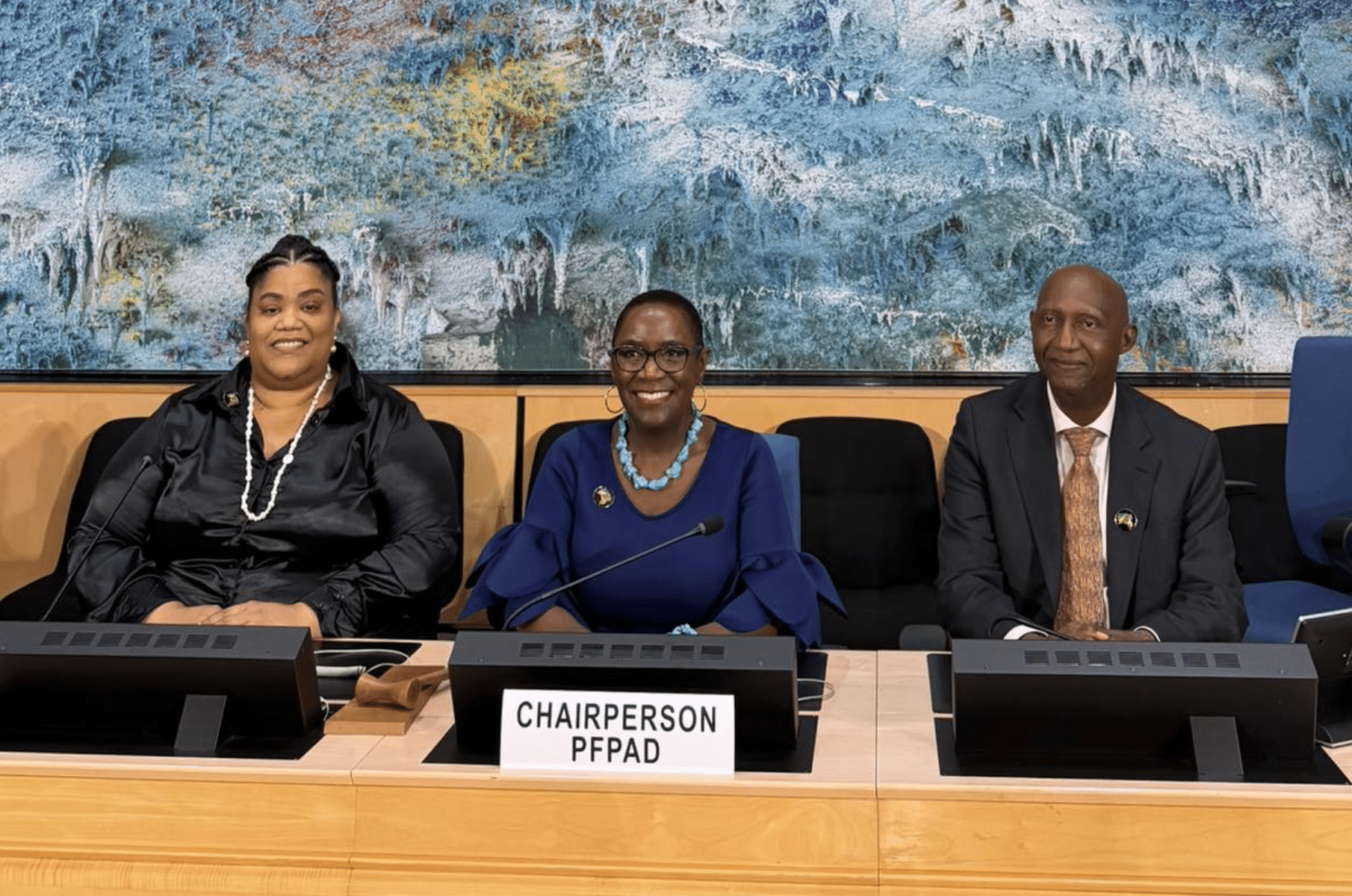
In her initial address, Gaynel Curry set out the agenda and objectives for PFPAD5 as follows:
- To reflect on the outcomes of the Durban Declaration and Programme of Action (DDPA); transform anti-racism statements into concrete actions; and strengthen global solidarities in the fight against all forms of racism, racial discrimination, xenophobia and related intolerance.
- To advance reparatory justice with regard to African cultural heritage – including taking further measures to increase and accelerate the return of stolen treasures to communities of origin, adding: “Restitution means that we are keepers of our own histories and the writers of our own stories.”
- To listen to and advocate for young people – working with youth leaders to explore how national governments, international rights organisations, education providers and other institutions can engage and empower young Africans as “agents of change,” taking the lead on shaping future policies under the Second International Decade for People of African Descent.
- To achieve a more robust, critically reflexive and effective Permanent Forum – forging stronger international partnerships and strategic alliances with (among others) the African Union, CARICOM (The Caribbean Community) Reparations Commission and the Global Network for the Studies of Africans and People of African Descent (G-SAP).
These priorities informed the main panel discusssions held over the four-day programme, and also shaped the content of more than 50 side-events that ran concurrently during the mid-day breaks, as evening events in Geneva over that week and online throughout April 2026.
Panel #2 – Reparatory Justice and Cultural Heritage: Museums and Restitution
Given my long-standing research interests in museology, museum geographies and anti-racist exhibiting practices, it was a privilege to contribute to the thematic discussion on “Reparatory Justice and Cultural Heritage: Museums and Restitution,” moderated by St Lucian historian Dr June Soomer (15 April 2026).
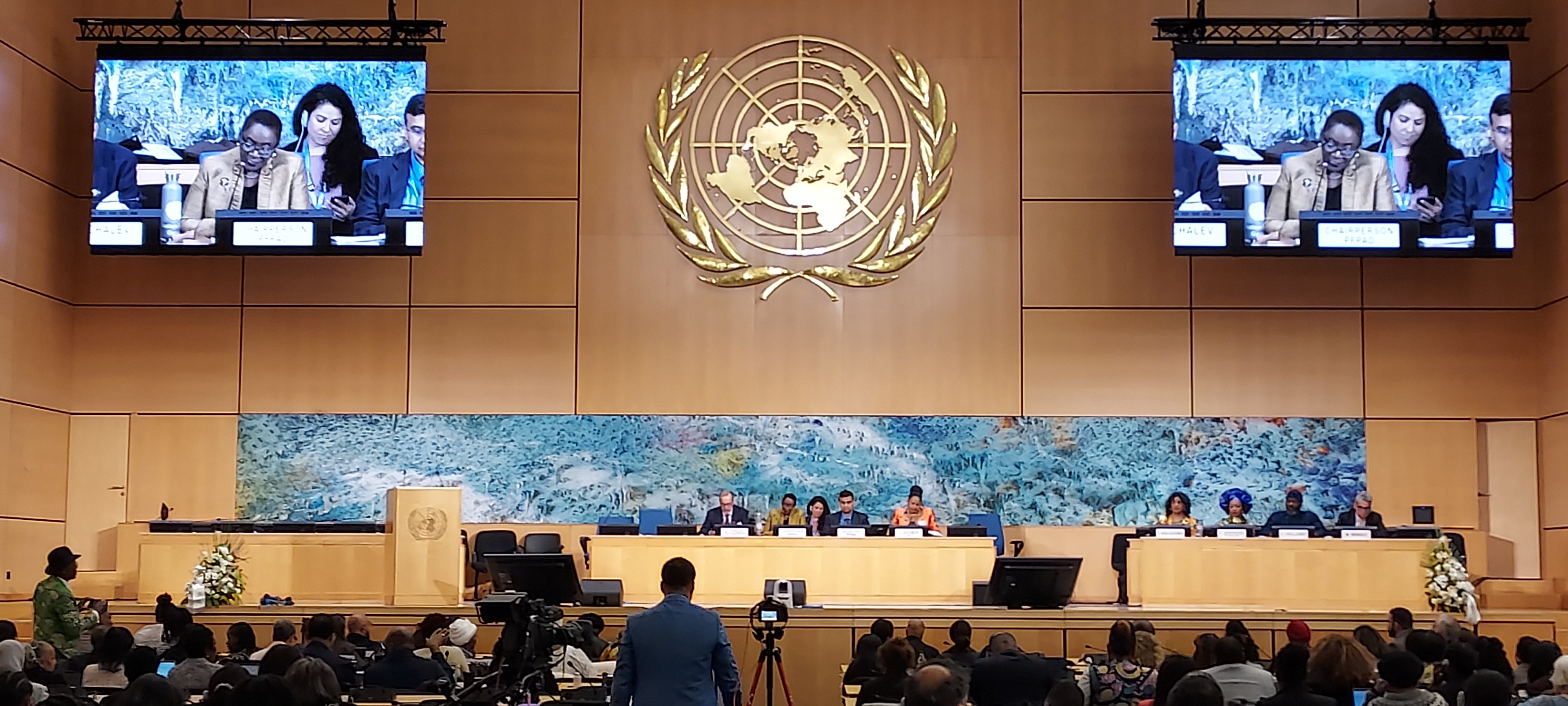
The following four esteemed panelists shared opening remarks to frame and catalyse the discussion:
- Professor Verene Shepherd (CARICOM Reparations Commission) focused on the need for respectful and dignified restitution of illegally held cultural treasures, sacred relics and human remains – reminding us of their solemn connections to the trans-oceanic trafficking of Africans and the loss of cultural knowledge that accompanied that heinous crime against humanity. Citing CARICOM’s 10-point Plan for Reparatory Justice, she stated that all processes associated with restitution must be seen as “moral and ethical acts that seek redress and reparatory justice for historical wrongdoing.”
- Olugbile Holloway (Director General of Nigeria’s National Commission for Museums and Monuments) spoke with immense heart about African cultural treasures and sacred relics being seen as “living symbols” and “metaphors” – signifying vital connections to ancestry and heritage. Funding to make the physical conditions for the conservation of antiquities more conducive to settings in the global south – especially to prevent environmental parameters being used to deny or delay restitution claims – was also raised as an important consideration.
- Ereshnee Naidu Silverman (Executive Director, International Coalition of Sites of Conscience) encouraged us not to view restitution solely in transactional terms, but to focus on how returns are emblematic of the restoration of dignity to the lives of those who were brutalised in the past, as well as more recent victims and survivors of crimes against humanity. Moreover, she added that restitution must always be seen as an holistic process aligned with the present-day fight for rights and justice. Gambia’s “Duty to Remember” memorial project, launched by ANEKED (African Network Against Extrajudicial Killings and Enforced Disappearances), and the International Slavery Museum in Liverpool, UK, were both championed for their best practice approaches to memory work.
- Professor Marc-André Renold (Founder and former Director of the Art-Law Centre, University of Geneva) concluded the panels’ speeches by imploring cultural institutions to avoid restitution becoming a “form of neo-colonialism.” He also recommended more widespread use of the term “shared heritage” as a phrase to encourage all parties involved in transnational returns to approach these liberatory actions with much deeper levels of respect, relationality and co-operation when working with representatives of communities of origin receiving home their cultural treasures.
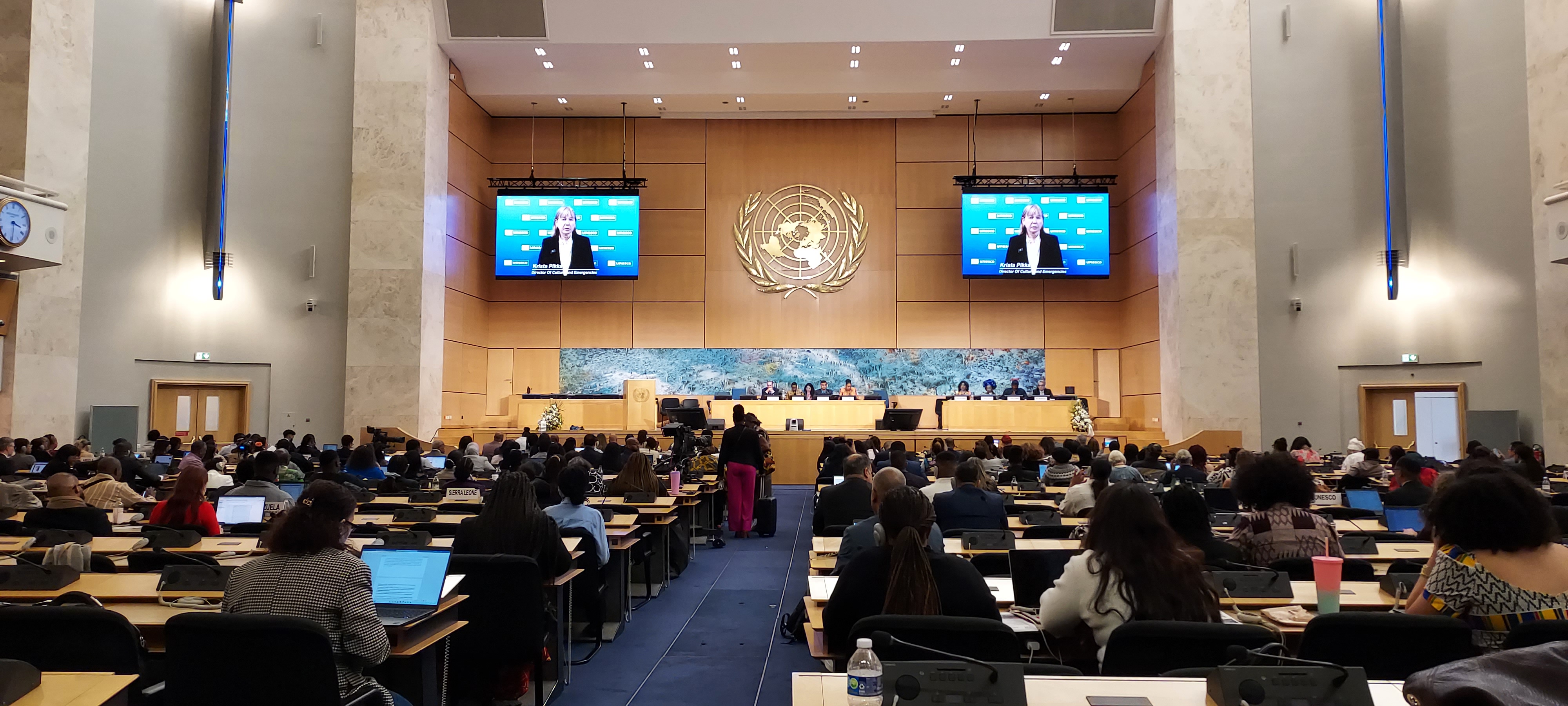
A pre-recorded address by Krista Pikkat (UNESCO Director of Culture and Emergencies) was also shared on screen to convey a timeline of key legislative and programme developments undertaken via the United Nations over the past 50 years – from the 1970 UNESCO Convention on cultural property ownership and protection; through to the 2025 launch of the Virtual Museum of Stolen Cultural Objects as a global digital education tool.
For my intervention, I chose to frame and contextualise a set of three recommendations by citing key research on decolonial and liberatory museal practices – most notably Senegalese economist Felwine Sarr and French art historian Bénédicte Savoy’s seminal 2018 report on “The Restitution of African Cultural Heritage“ from museums in France. The recorded film clip and full text of my statement are viewable below.
UN Web TV’s recorded live broadcast of this thematic session is available online, and all participants’ written statements can be downloaded c/o the PFPAD5/OHCHR web pages at this link: https://www.ohchr.org/en/permanent-forum-people-african-descent
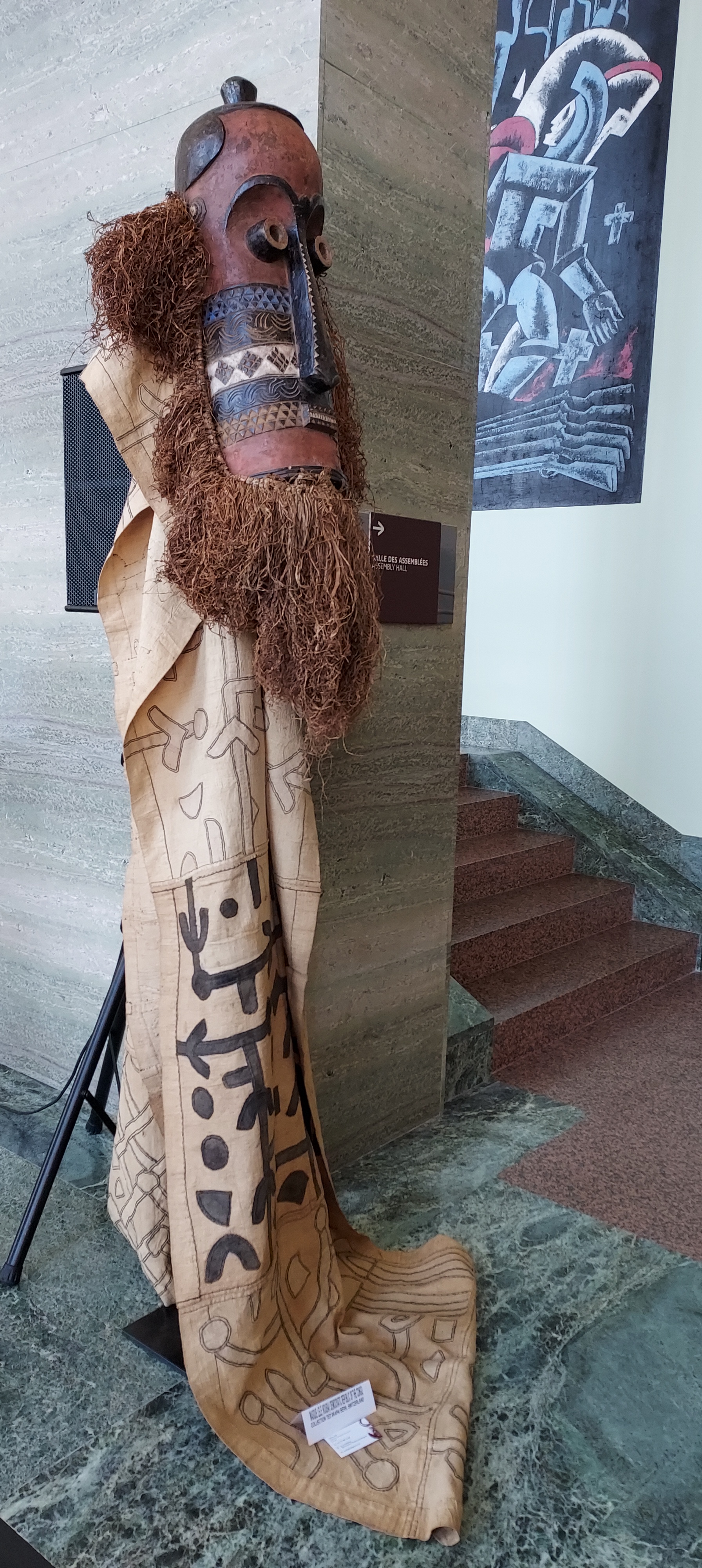
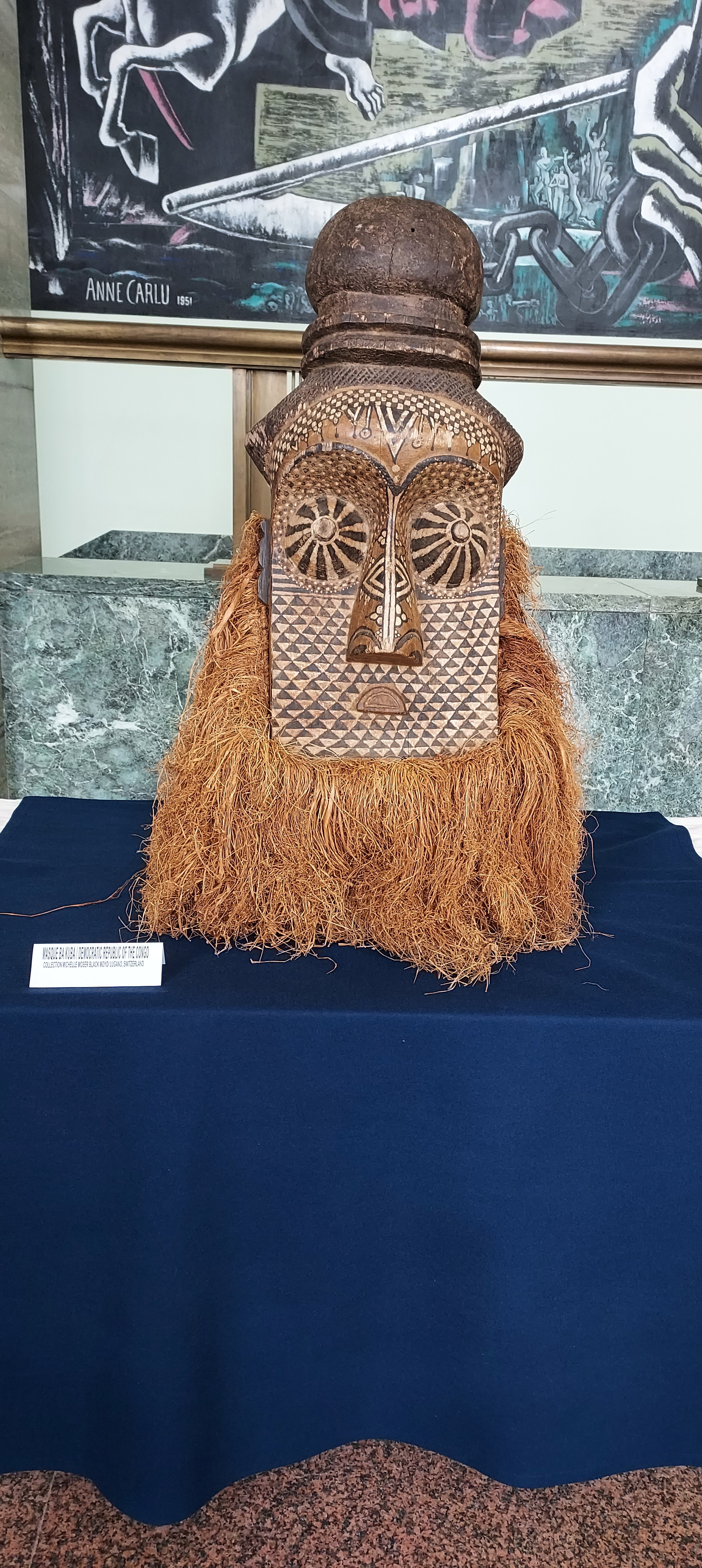
Next steps
On the final day of the Forum, rapporteur Pastor Elías Murillo Martínez summarised the outcomes and preliminary recommendations arising from the four main sessions held during PFPAD5. From Panel #2, he rightly affirmed cultural heritage as a foundational pillar of reparatory justice and emphasised the following key points:
- Museums, archives and other repositories of cultural memory are not (and have never been) neutral spaces. All these institutions must ramp up their commitments as regards access to cultural knowledge and the restitution of contested holdings back to communities of origin.
- The permanent and legally-binding return of historic artefacts, artworks and sacred relics proven to have been appropriated illicitly from continental Africa remains a priority.
- The Forum must work to ensure that an international inventory of contested items from Africa, held overseas in museums, universities, archives and other cultural and scientific repositories around the world, is made publicly available via the United Nations.
The rapporteur’s concluding remarks, alongside our interventions as contributors to this much-needed panel discussion, will inform the Forum’s ongoing programme of activities, strategic dialogues and action plans for 2026/27, collaborative initiatives pursued throughout the remainder of the 2nd International Decade for People of African Descent (2025-2034), and future priority-setting beyond these dates.
A formal report on PFPAD5 will be presented at the 63rd session of the United Nations Human Rights Council and the 81st session of the United Nations General Assembly in September-October 2026.
Preparations are already underway to host the next annual gathering of the Permanent Forum on People of African Descent at the headquarters of the African Union in Addis Ababa, instead of re-convening in New York.
Concluding reflections…
As I close, it is important for me to mention that many Forum contributors from civil society organisations raised the historic significance of the United Nations General Assembly’s passing of UN Resolution A/80/L.48 (25 March 2026), which declared the transatlantic trafficking of Africans – and the racialised chattel enslavement that followed – as constituting “the gravest crime against humanity.” This momentous resolution, brought by Ghana (with the support of the wider African and CARICOM Member States), passed with 123 votes in favour, three against (specifically, Argentina, Israel, USA) and 52 abstentions – mainly by representatives of European nations; including Belgium, France, the Netherlands, Portugal, Spain, Switzerland and the United Kingdom. These responses have played a role in determining how – and where – the Forum proceeds with its core priorities in future years. Like my fellow participants, I welcome the decision to host the next PFPAD in Ethiopia, enabling us to gather together for a landmark 6th session (and inaugural moment) on African soil. A luta continua…
References and web links
Sarr, Felwine (2019) Afrotopia [Trans. Drew S. Burk and Sarah Jones-Boardman]. Minneapolis, MN: University of Minnesota Press.
Sarr, Felwine and Bénédicte Savoy (2018) Rapport sur la restitution du patrimoine culturel africain: Vers une nouvelle éthique relationnelle [Restitution of African cultural heritage: Toward a new relational ethics. Trans. Drew S. Burk]. Paris: Philippe Rey.
UNESCO (1970) Convention on the Means of Prohibiting and Preventing the Illicit Import, Export and Transfer of Ownership of Cultural Property. Paris: UNESCO.
United Nations (2002) Durban Declaration and Programme of Action (DDPA). New York: UN Dept. of Public Information
https://www.ohchr.org/sites/default/files/Documents/Publications/Durban_text_en.pdf
UN Web TV (15 April 2026) 4th Meeting, 5th Session of the UN Permanent Forum on People of African Descent. Panel #2 thematic discussion on Reparatory Justice and Cultural Heritage: Museums and Restitution. https://webtv.un.org (Duration: 3 hours).
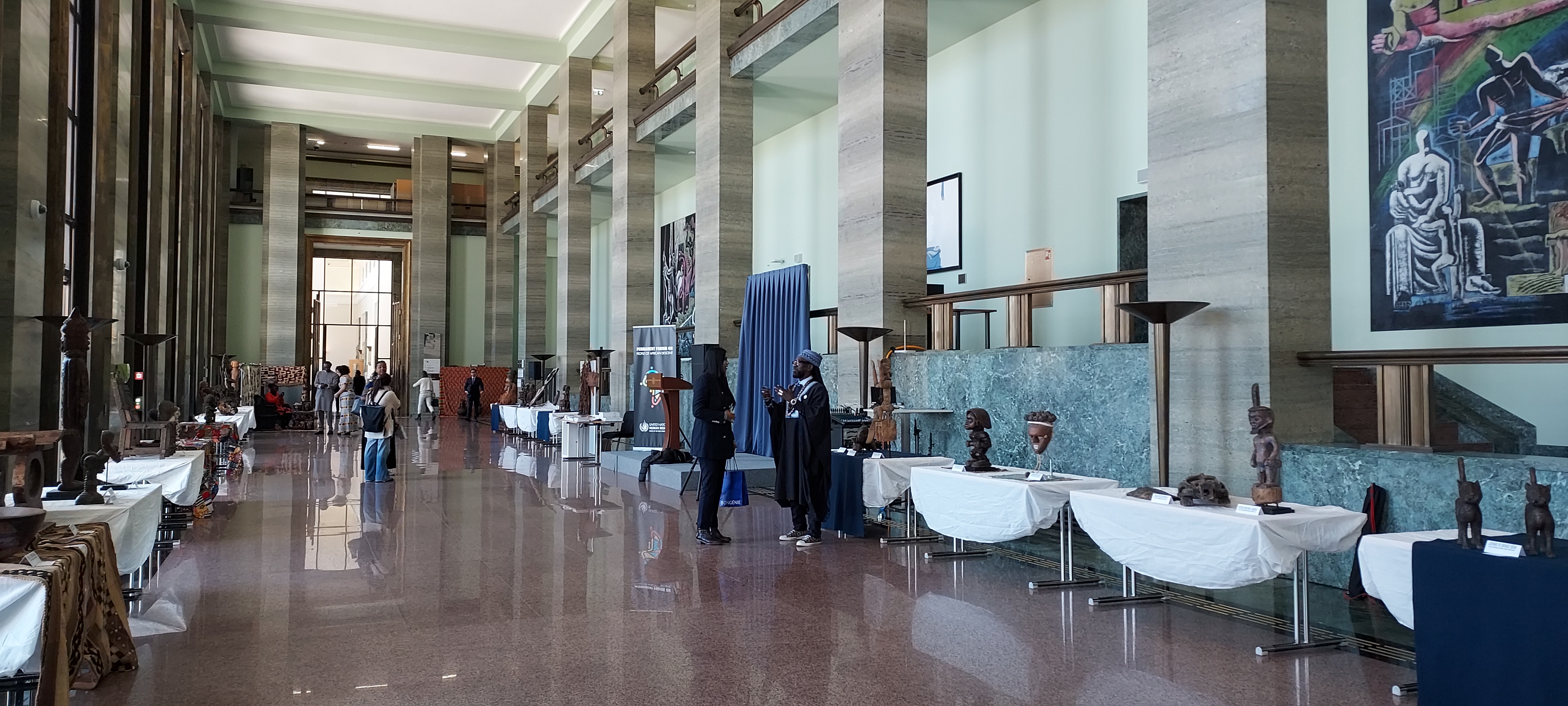
*Galerie Lamine Fall is located at Galerie des Bergues, 12 rue Kléberg, 1201 Genève, Switzerland.

Leave a comment