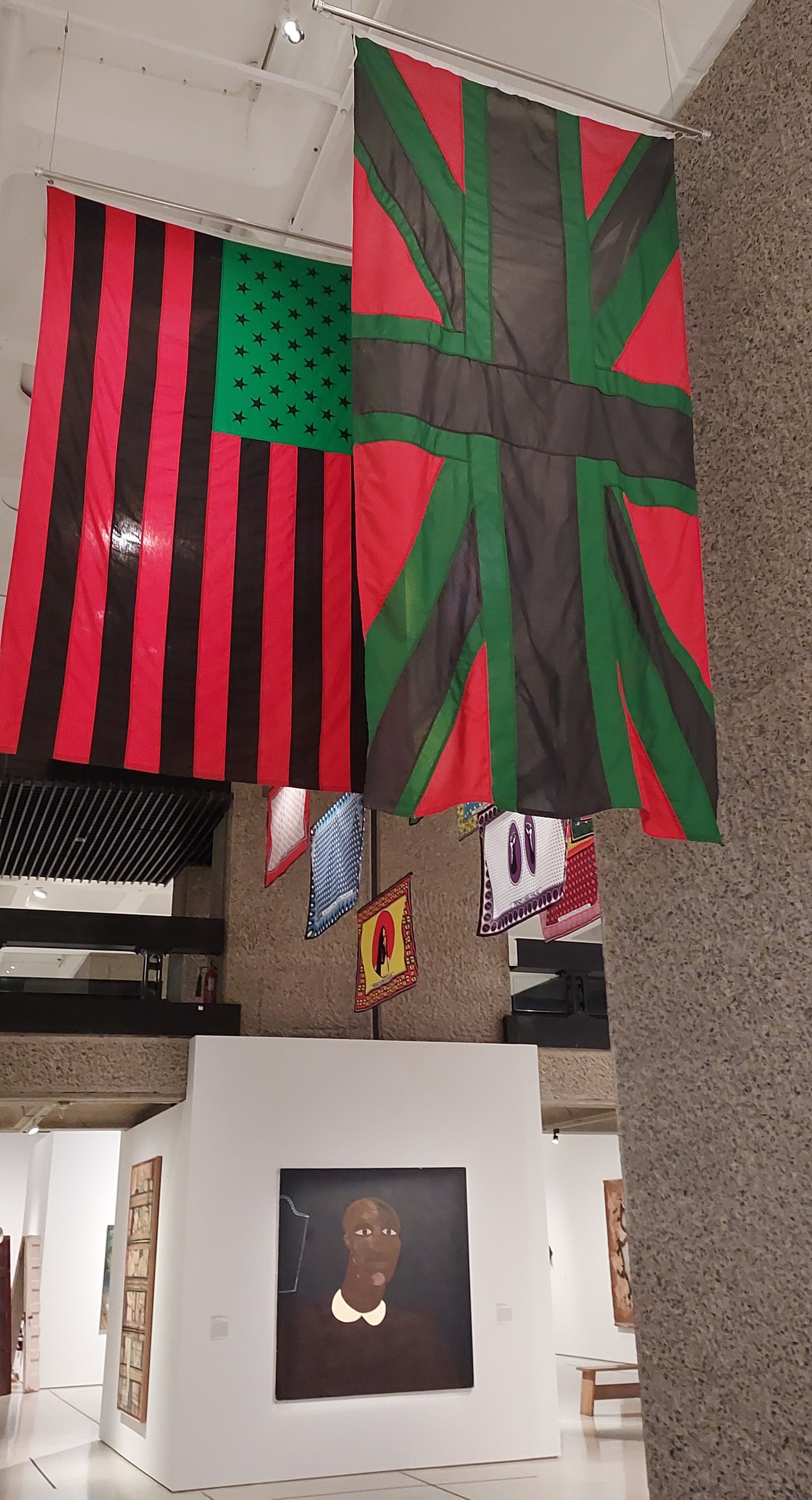
It was such an uplifting threshold experience to walk in, look up and see Chris Ofili’s Union Black (2003) suspended from the ceiling alongside David Hammons’ African-American Flag (1990), prominently positioned above the main stairwell inside the Barbican Art Gallery for the London edition of the exhibition Project a Black Planet: The Art and Culture of Panafrica (11 June—6 September 2026). The pairing up of these chromatically altered but still familiar national emblems, re-fashioned in black, red, and green, enabled both flags to serve as powerful signifiers of the political and cultural influences of Pan-Africanism as a global liberation movement for Black, African-decended peoples.
Introductory themes and concepts
Arranged on two floors, the exhibition featured more than 300 artworks and archival materials documenting the political history and cultural trajectories of Pan-Africanism – from its emergence as a unifying philosophical and anti-colonial force for change in the early 1900s, through to its dynamic re-articulations by successive generations of thinkers, activists and creatives in the 21st century.
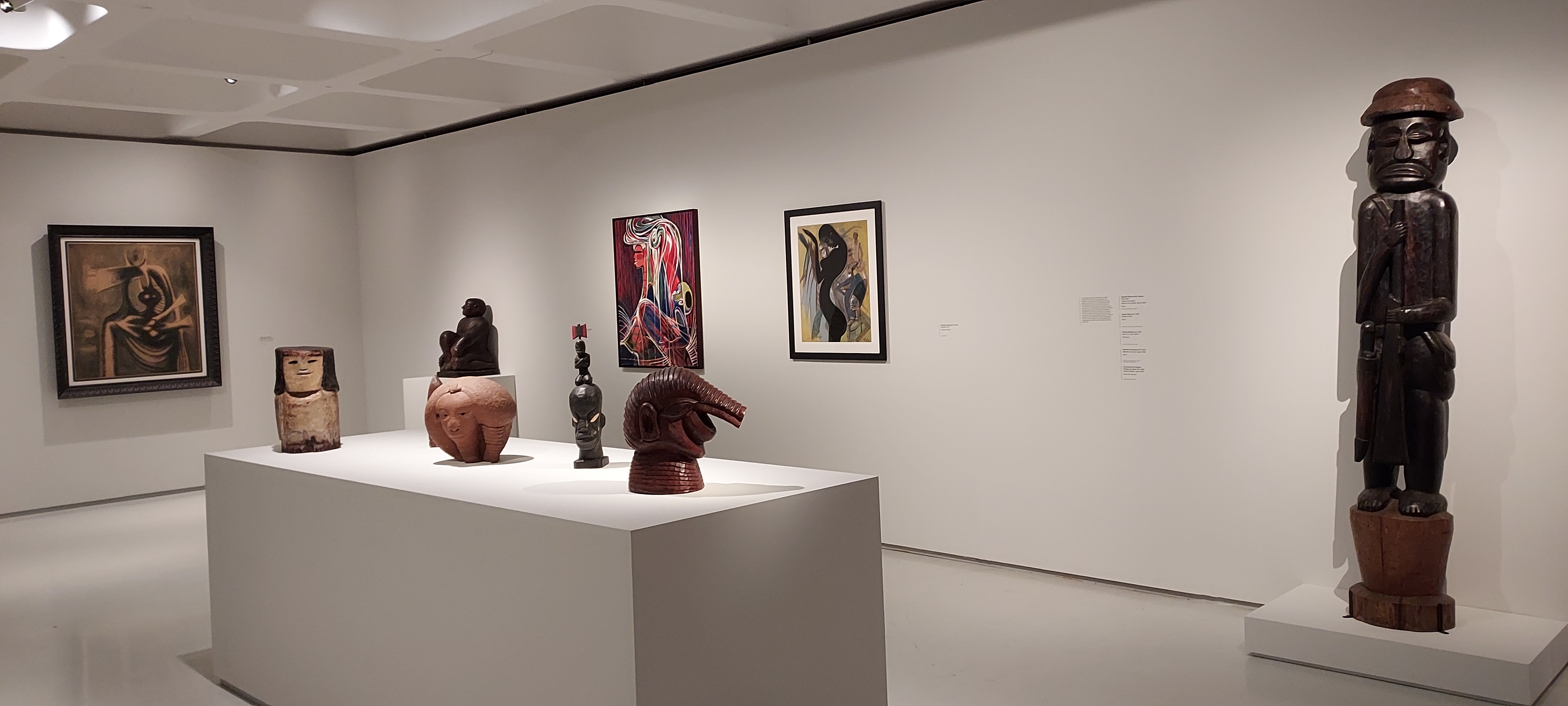
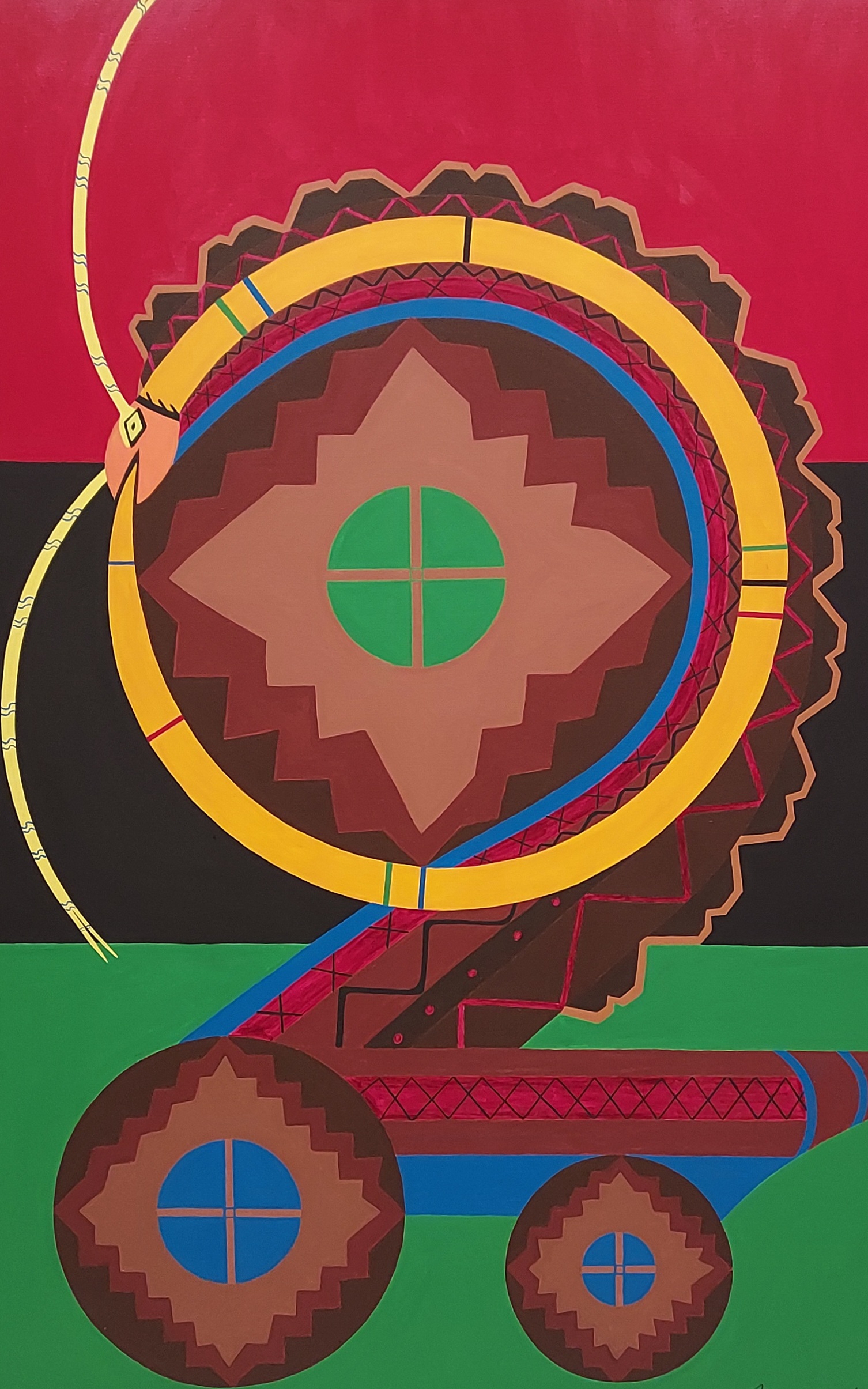
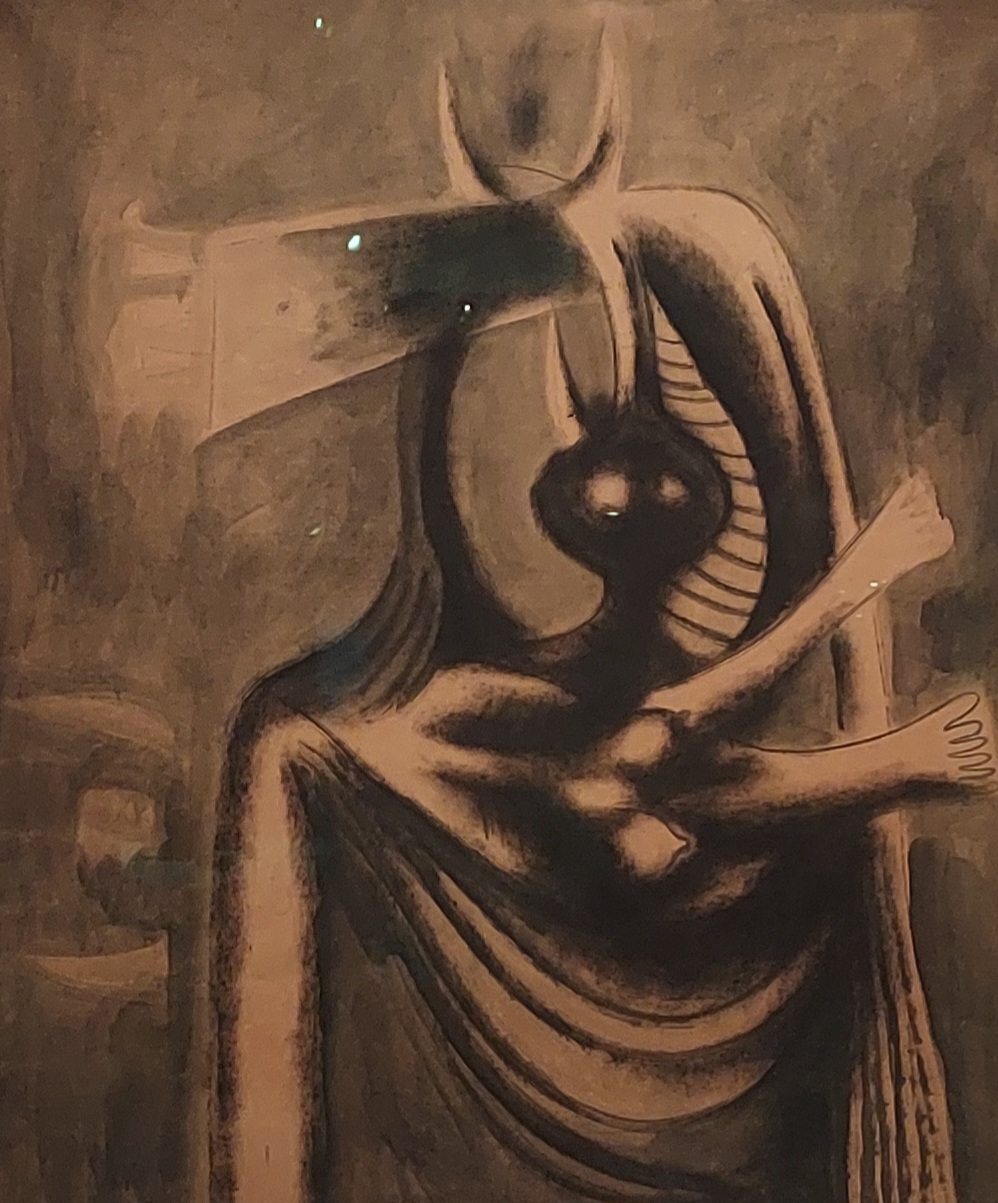
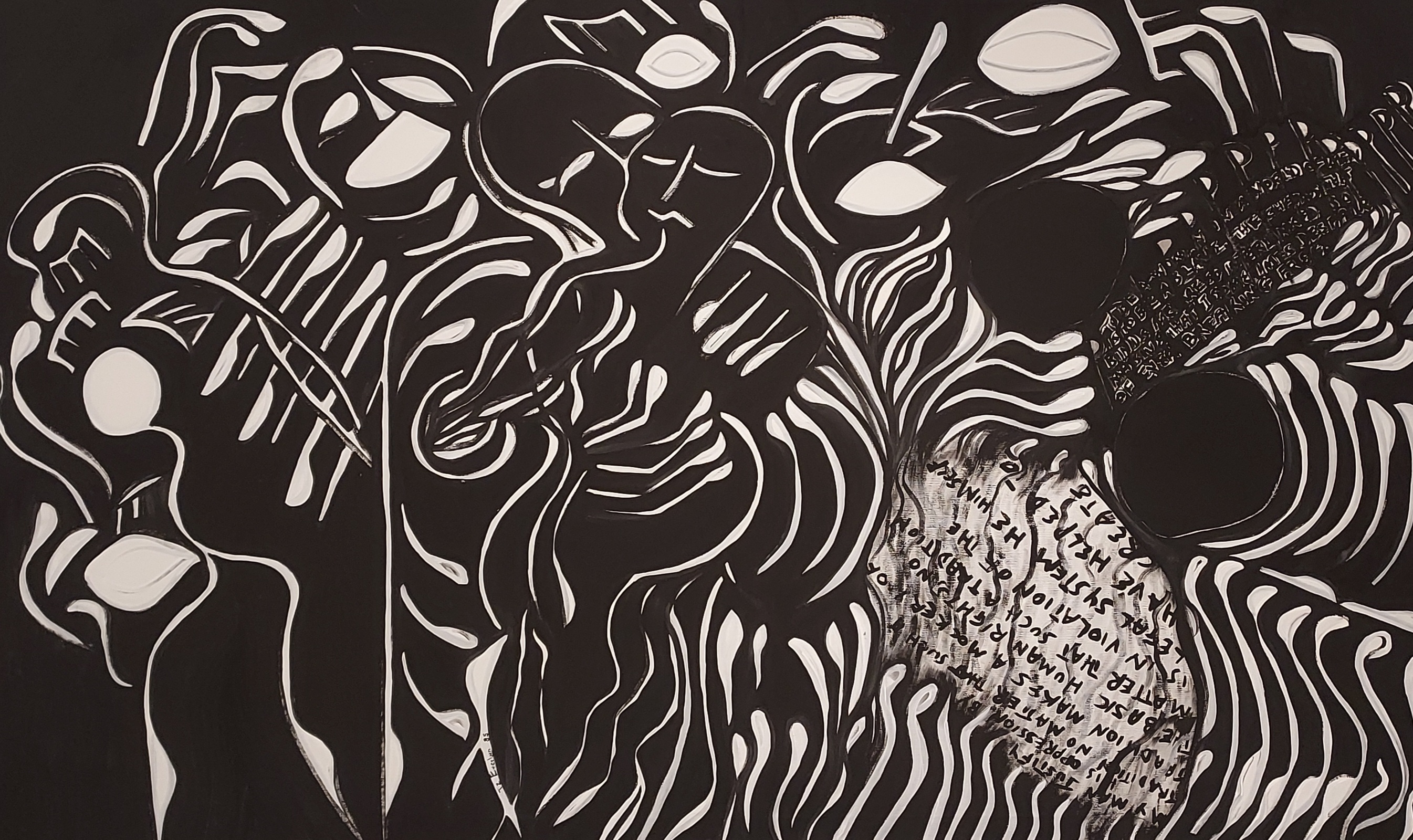
Beginning on the upper level, a broad selection of paintings, collages, sculptures and archival documents were arranged in a series of themed rooms, titled: World-Making; Anti-Colonial Resistance; Négritude; Garveyism; Quilombismo (in specific reference to Lusophone, Afro-Brazilian racial justice movements); Rupture; Autonomy; and Self-Determination. Collectively, these introductory assemblages reflected how Global Majority artists visualised the foundational principles and campaigns around which early-to-mid 20th century Black political figures, scholars and activists on the African continent and throughout the diaspora coalesced to fight for equal rights, freedom, justice, autonomous self-governance and independence.
For example, several early-20th century works by Cuban surrealist painter Wifredo Lam and sculptures by Jamaican-born figurative artist Ronald Moody were shown alongside photo portraits and books by founding figures within the global movement – including Trinidadian barrister Henry Sylvester Williams, organiser of the First Pan-African Conference (London, 1900); African American scholar W.E.B. DuBois, convenor of the 1919 Pan-African Congress; Jamaican-born founders of the UNIA, Marcus Garvey and Amy Ashwood Garvey; and non-anglophone luminaries, such as Martinican poet and politician Aimé Césaire and Senegal’s first president Léopold Sédar Senghor – the architects of Négritude.
Posters, sonic histories and lens-based legacies
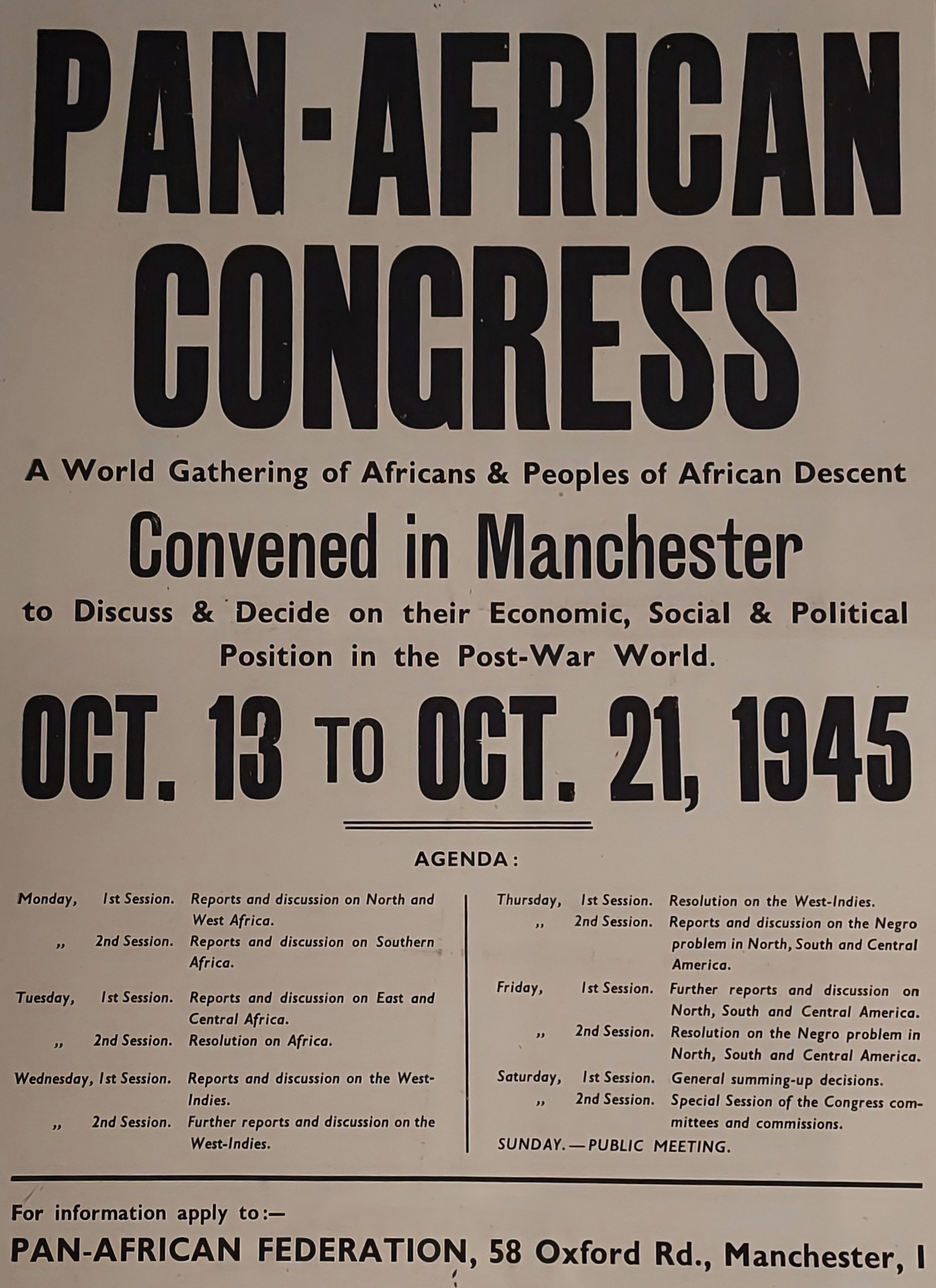
Later sections on the upper level featured table vitrines and wall-mounted displays showcasing original posters, published pamphlets and audio-visual materials linked to major, post-war cultural festivals, academic conferences and political campaigns – including the 5th Pan-African Congress, convened by (among others) George Padmore and Kwame Nkrumah (Manchester, UK, 1945), Premier Festival Mondial [World Festival of Black Arts] (Dakar, Senegal, 1966) and FESTAC ’77 (Lagos, Nigeria, 1977).
Looped recordings from the oeuvres of Senegalese filmmaker Ousmane Sembène (1923-2007), London-based arts collective The Otolith Group (established in 2002 by Anjalika Sagar and Kodwo Eshun), and contemporary sound installationists Azikiwe Mohammed and Makaya McCraven from the USA complemented the static exhibits to signify the fluidity, diasporic hybridities and dynamic expressions of Blackness conveyed over many decades via the cinematic, theatre-based, sonic and processional arts.
Corporeality and the “Body Schema“
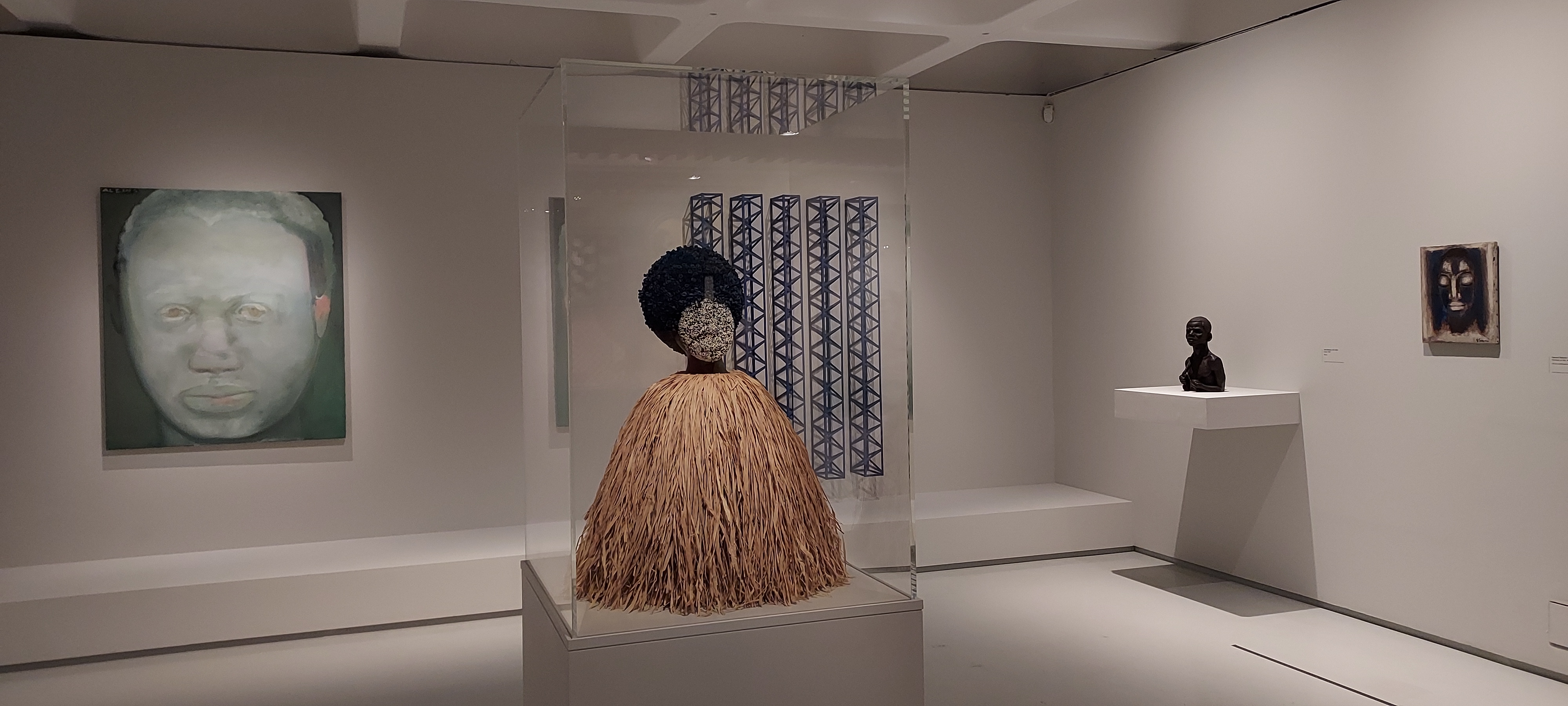
A particularly insightful section of the upper level display considered artistic representations of concepts such as Frantz Fanon’s “body schema” [schéma corporel] – exploring the psychological and physical traumas experienced by people of colour existing within hostile, anti-Black spaces historically racialised as White. Notable works included: a video installation by British-Kenyan (Maasai Kikuyu) artist Grace Ndiritu, titled “Still Life: White Textiles” (2005/7), showing a recording of the artist’s body, shrouded in African-inspired patterned fabrics, as she attempts to conceal her exposed limbs using slow and repetitive movements; and the mixed-media sculpture Dunham (2017), by African American artist Simone Leigh, created in tribute to the renowned choreographer, anthropologist and activist Katherine Dunham (b. Illinois, USA, 1909-2006) and featuring a porcelain, terracotta and resin figuration of an Afro-haired woman’s raffia-adorned torso.
Transnational solidarities
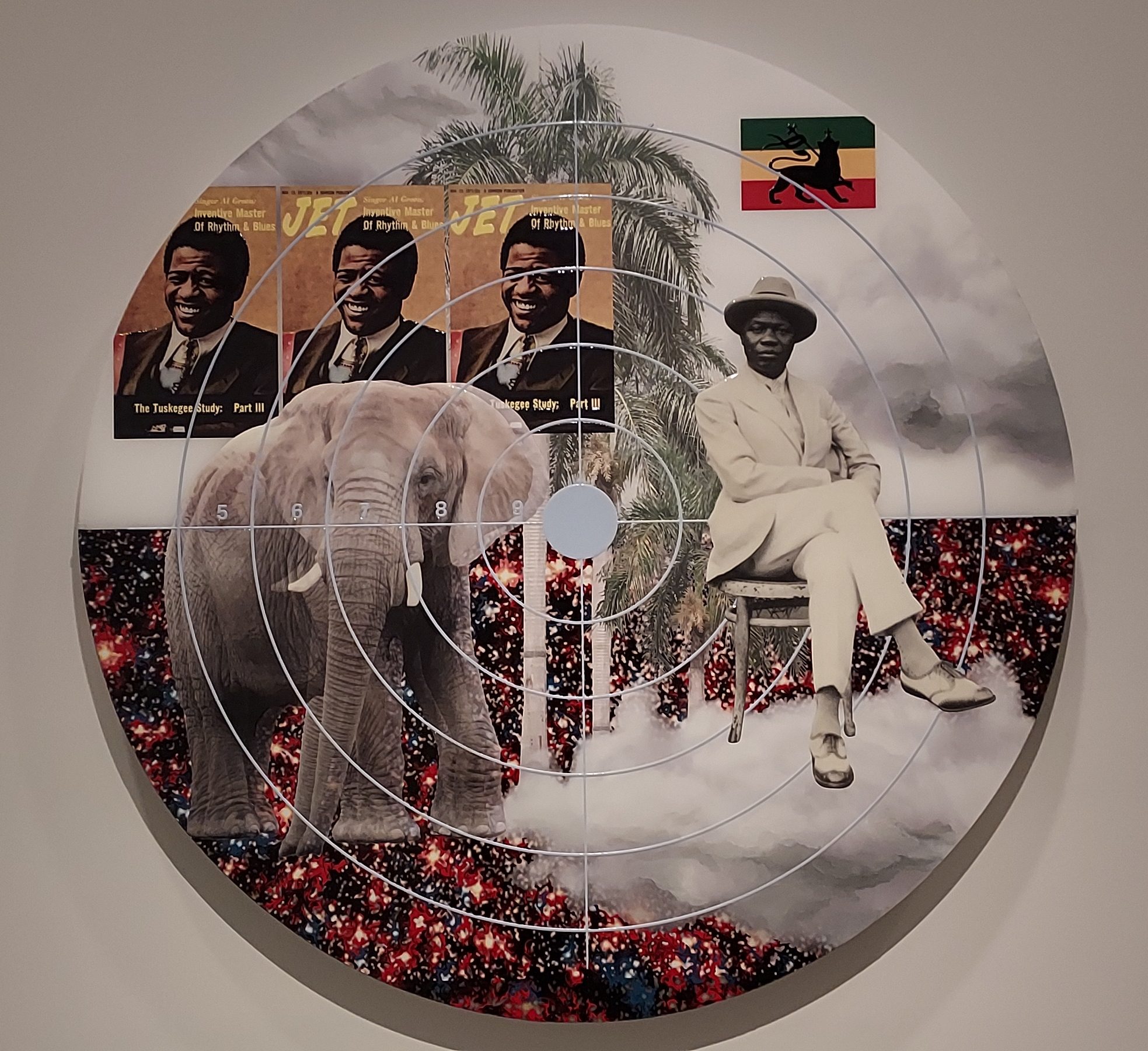
The presentation on the lower level of the gallery continued to address the impacts and influences of Pan-Africanism throughout the Atlantic world, considered through the display of large-scale modernist murals, contemporary installations, celebrated photo series and recently-commissioned paintings and collages created specifically for the exhibition.
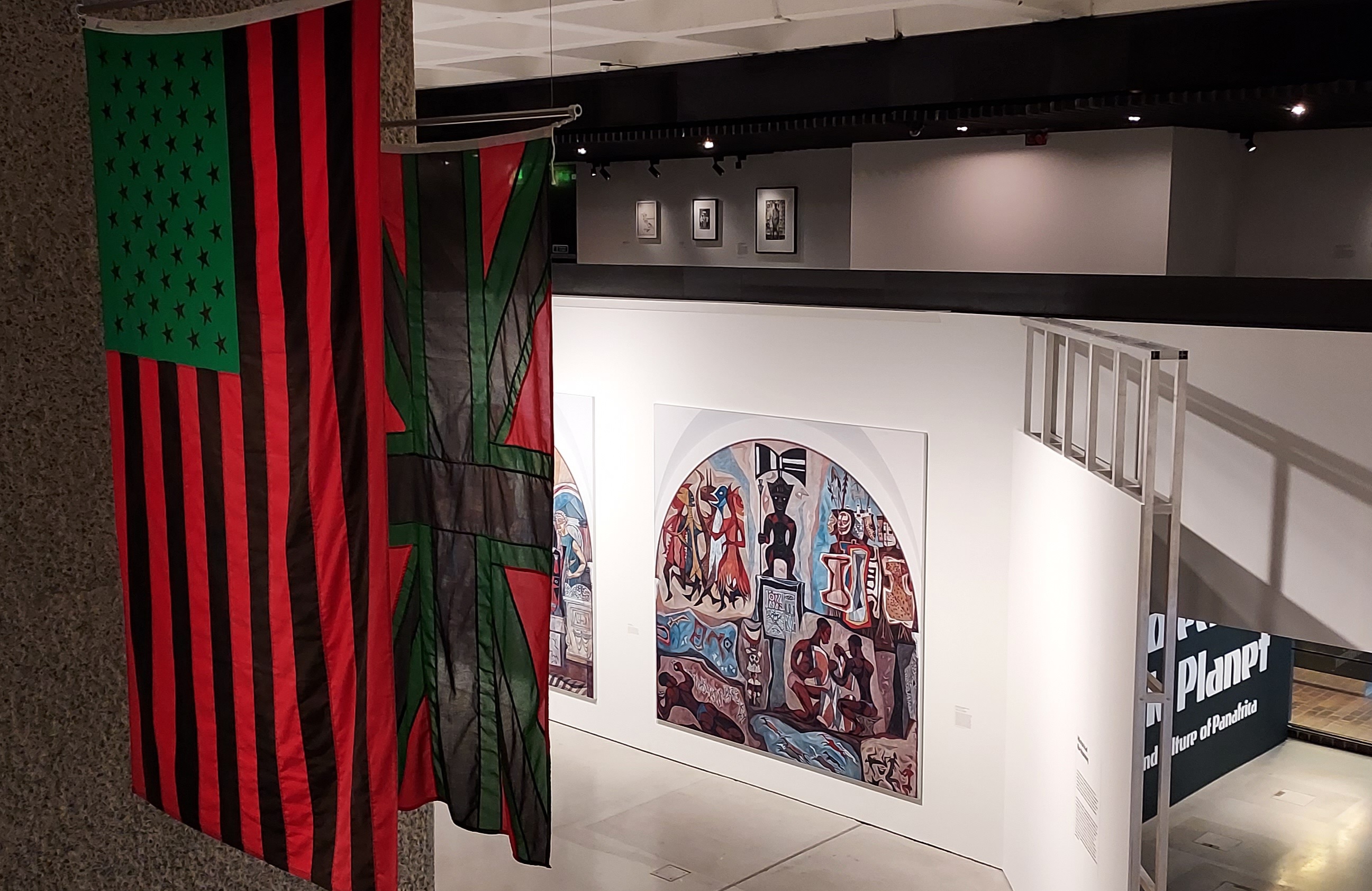
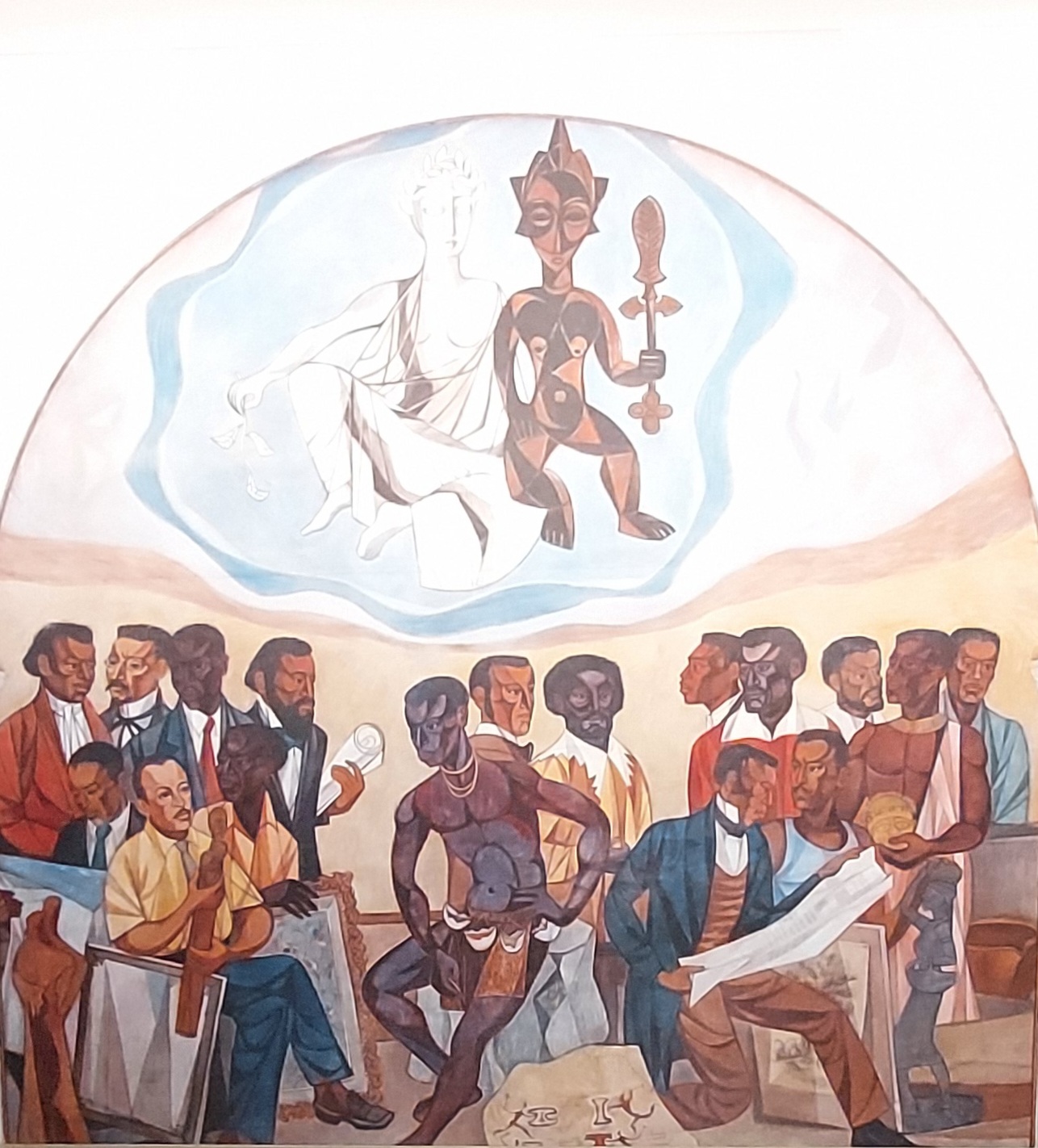
The breadth of research by the curatorial team – led by Elvira Dyangani Ose (Director, MACBA), Antawan I. Byrd (Professor of Art History, Northwestern University), Adom Getachew (Professor of Political Science, University of Chicago) and Matthew S. Witkovsky (Curator of Photography, Art Institute of Chicago) – provided an intellectually stimulating contextualisation of the movement that helped to create a unifying storyline for this expansive, transnational exposition.
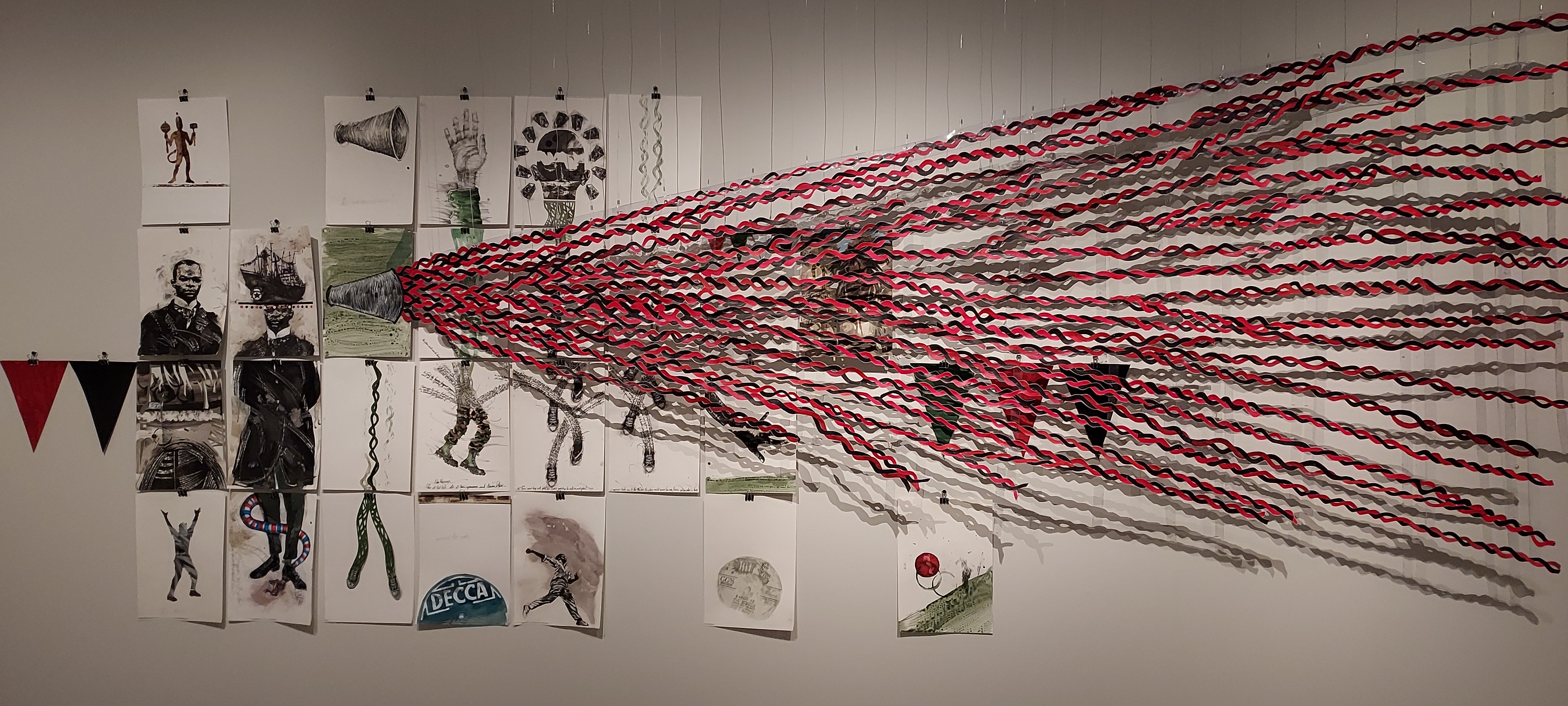
Twenty-first century creative luminaries from continental Africa and the diaspora were given the space and the freedom to celebrate the significance, longevity and scope of Pan-Africanism as a philosophy and a unifying racial justice movement. Bold, innovative sculptural installations by Kader Attia, El Anatsui, and Ebony G. Patterson were positioned alongside smaller, more visually referential pieces displaying the red, black and green colour palette of Pan-Africanism – most notably Chris Cozier’s project-specific commissioned work, “Stepping” (2024).
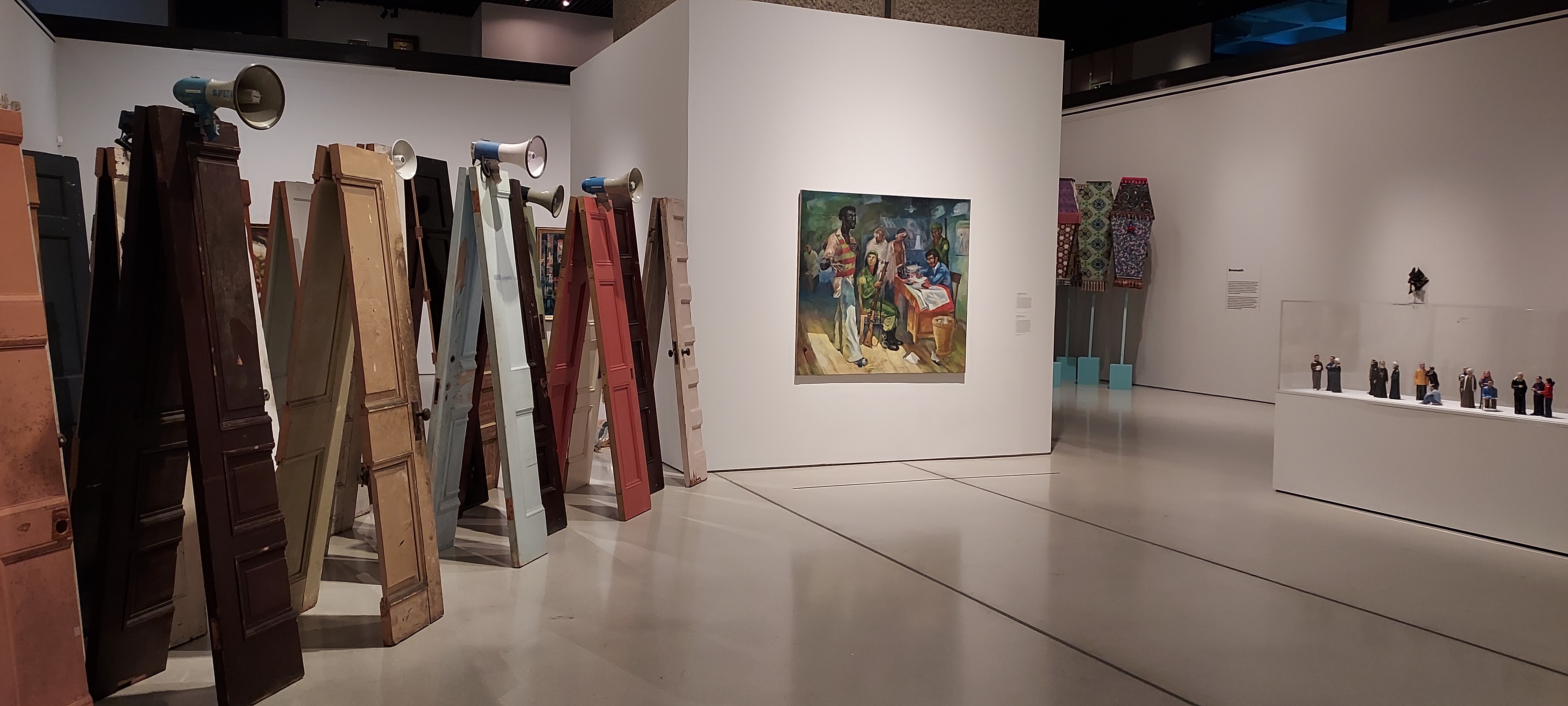
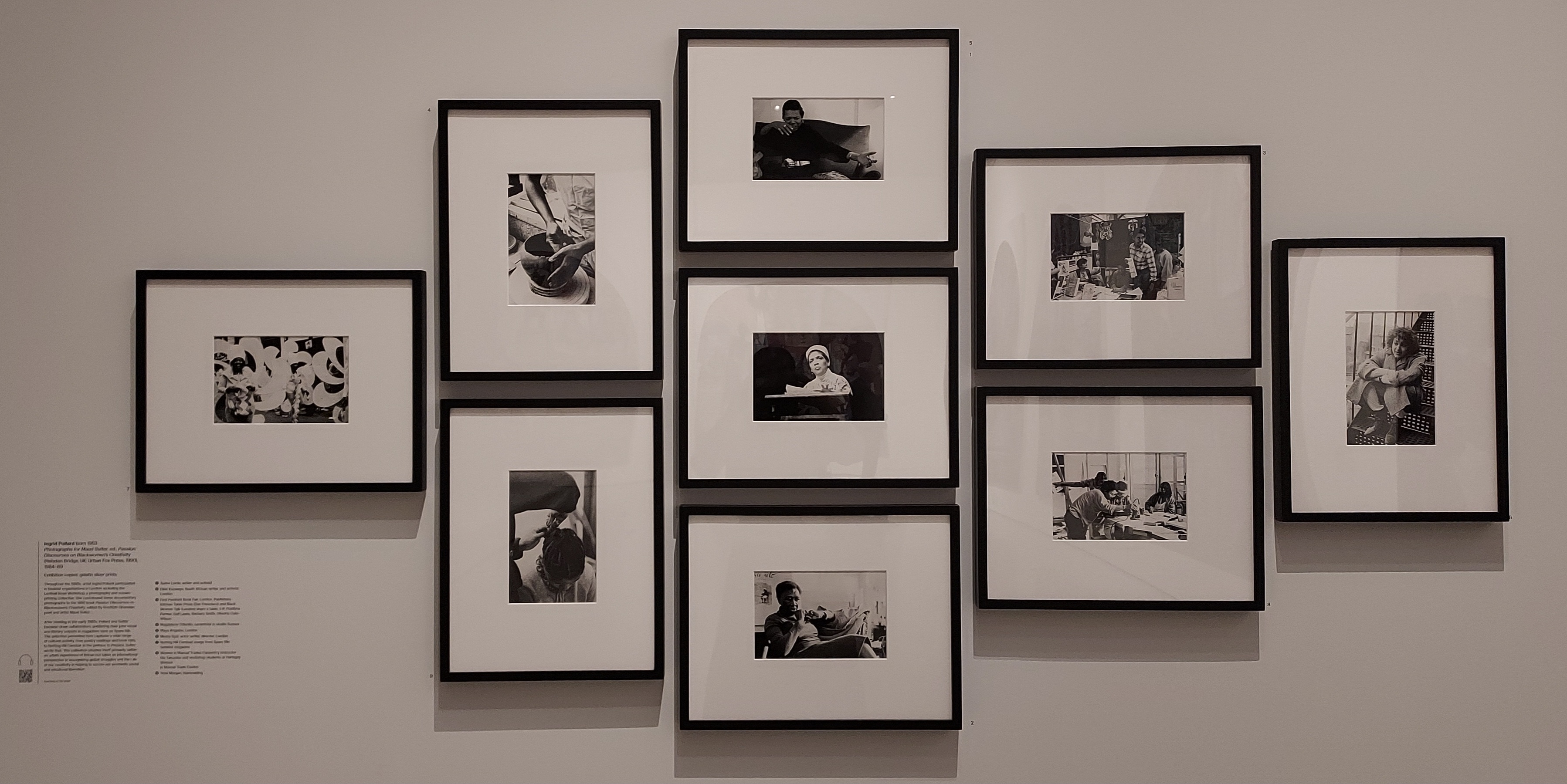
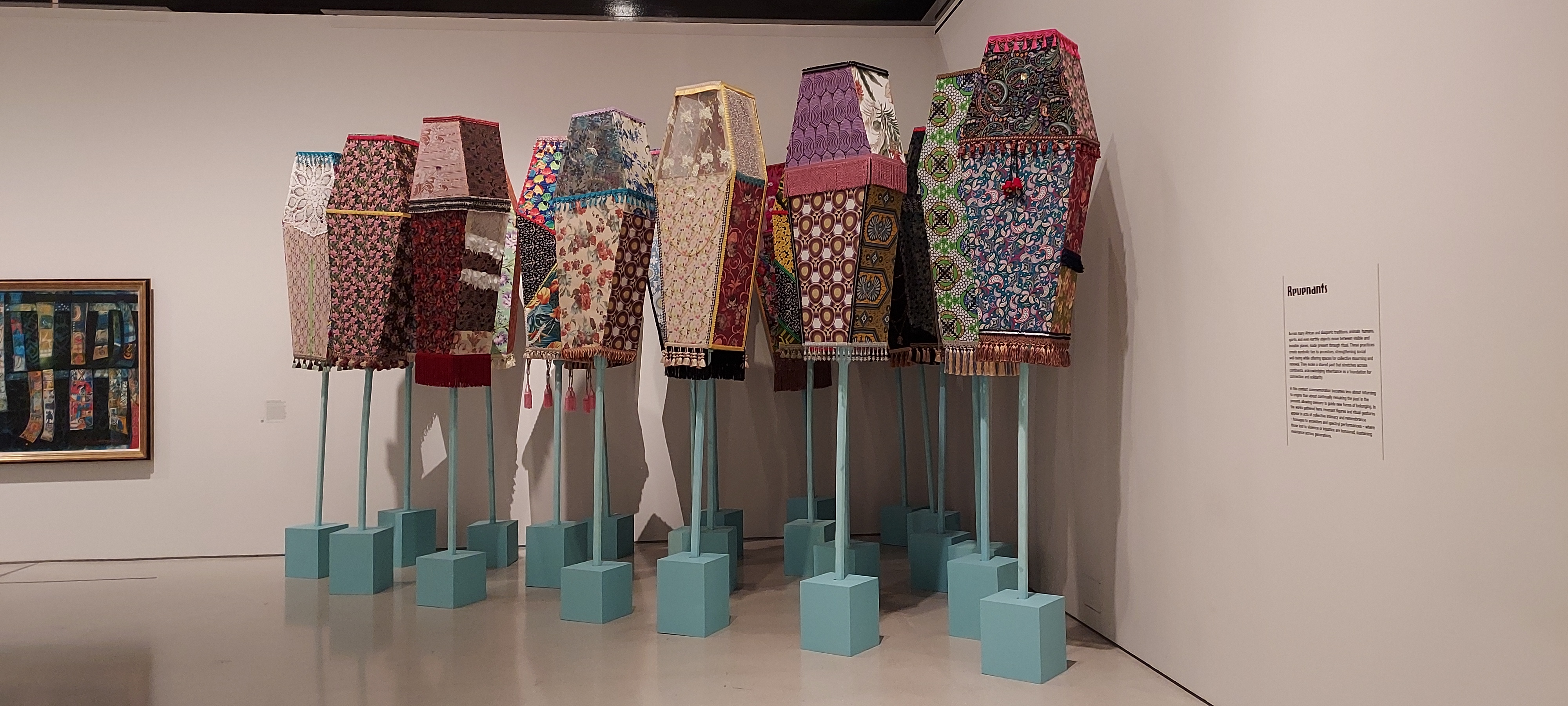
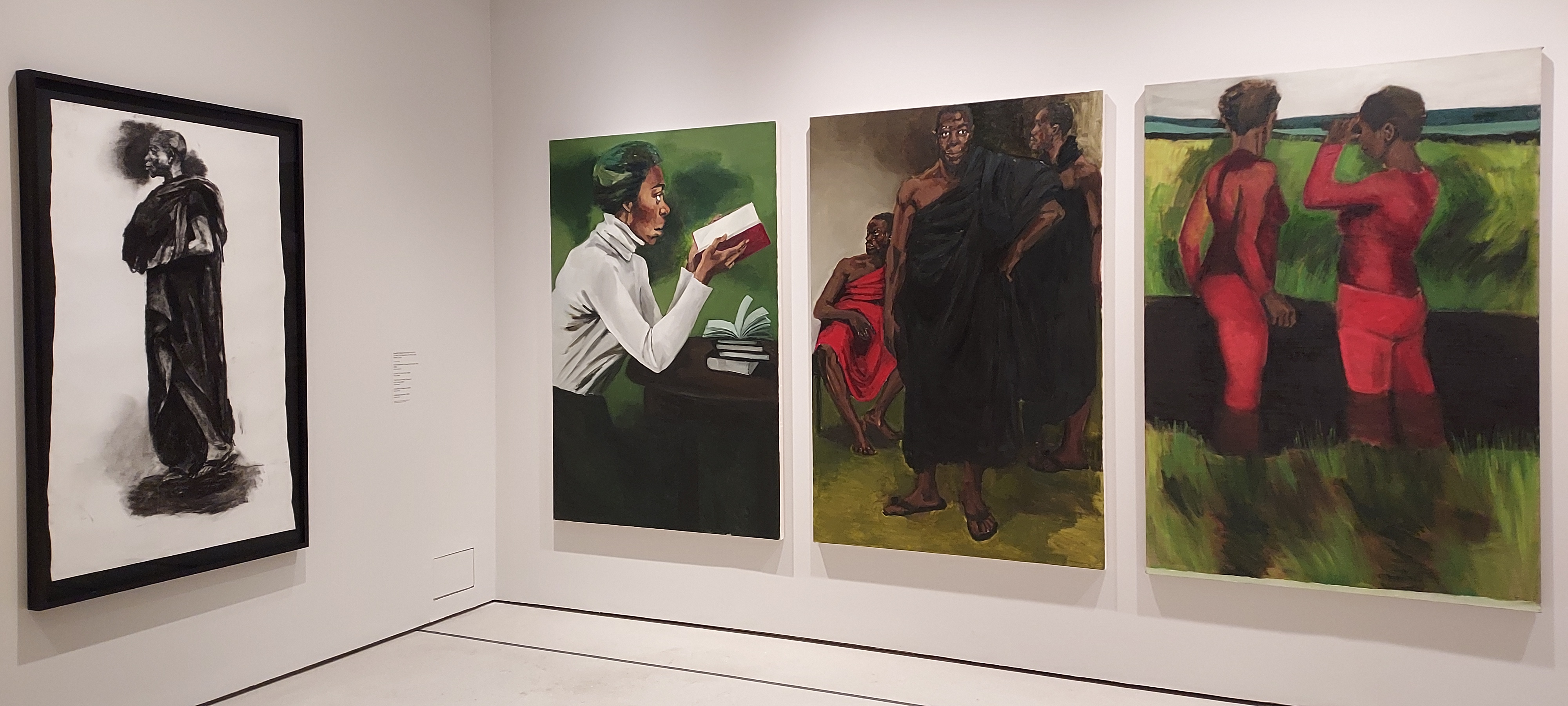
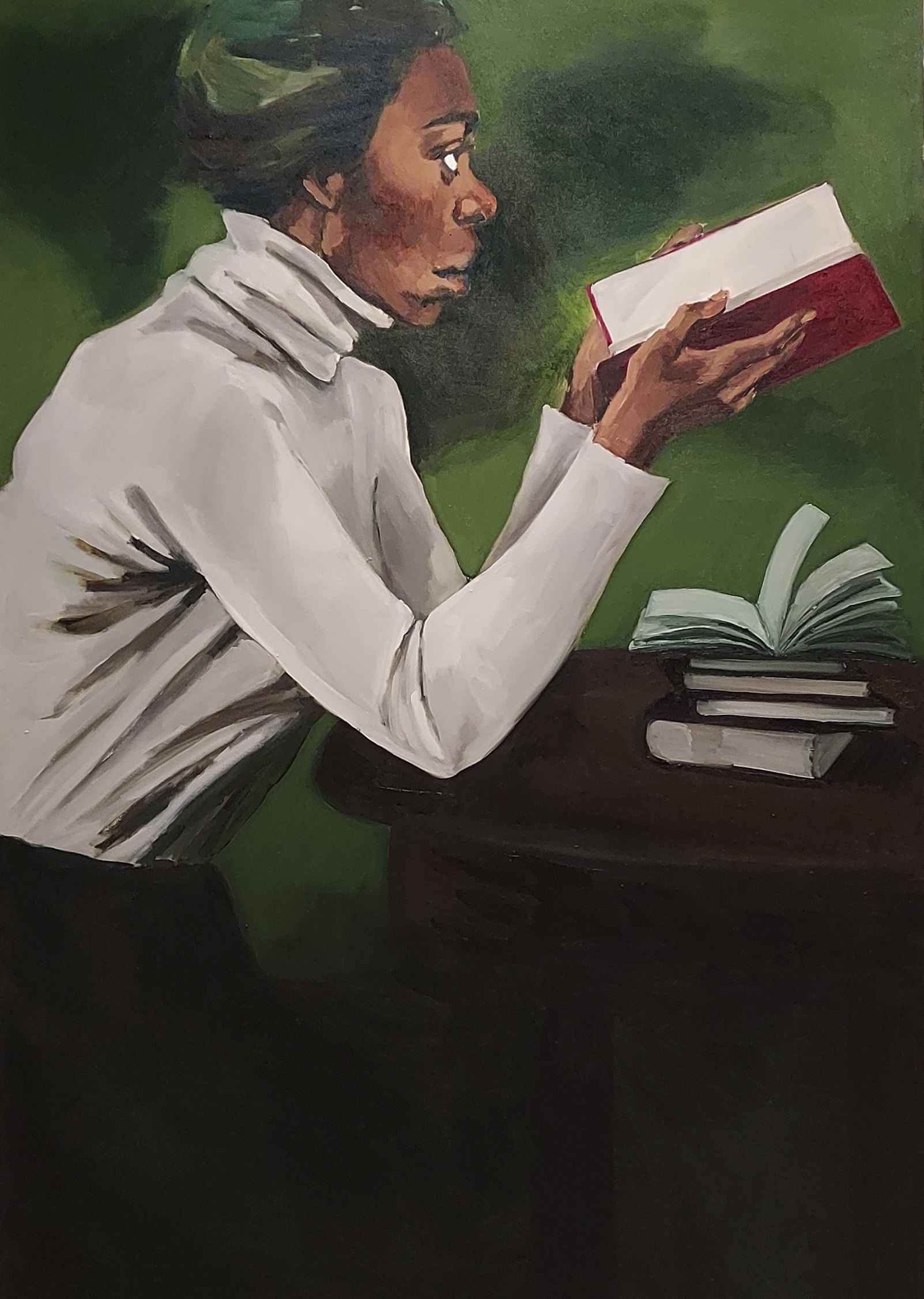
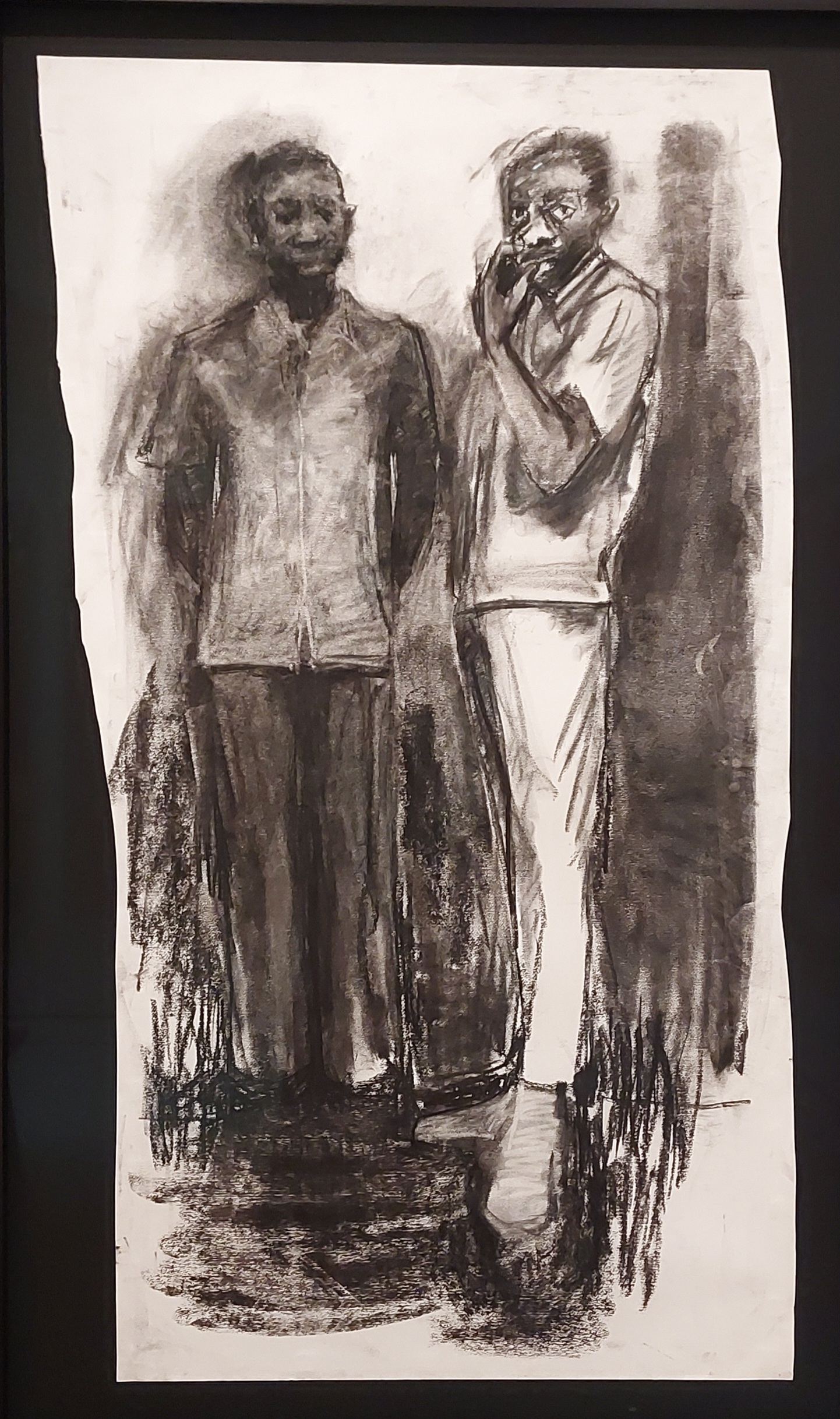
Concluding with a commissioned series of new paintings and charcoal drawings by British artist and poet Lynette Yiadom-Boakye was a fitting way to close the London edition of Project a Black Planet, enabling one of the UK’s most celebrated contemporary figurative artists to showcase her perspectives on the legacies and future manifestations of Pan-Africanist thought, transnational solidarity-building and racial justice activism.
Beyond Barbican Art Gallery, and its earlier showings at the Art Institute of Chicago and MACBA Museu d’Art Contemporani de Barcelona, the fourth site scheduled to present this international touring exhibition is KANAL–Centre Pompidou in Brussels, Belgium (Spring, 2027).
An exhibition catalogue documenting the entire presentation narrative, colour illustrations of the featured works and contributors’ biographies is available online, c/o the Barbican Shop.
References and web links
Byrd, A. I., Dyangani Ose, E., Getachew, A., & Witkovsky, M. S. (Eds.). (2025). Project a Black Planet: The Art and Culture of Panafrica [Exhibition catalogue]. Art Institute of Chicago / Yale University Press.
CBS Chicago. (2025). Exhibition co-curators Antawan I. Byrd and Adom Getachew in conversation with CBS reporter Jackie Kostek discussing a selection of artworks displayed at the Art Institute of Chicago edition of Project a Black Planet: The Art and Culture of Panafrica [YouTube]. 15 January 2025. Duration: 10 minutes.

Leave a comment